

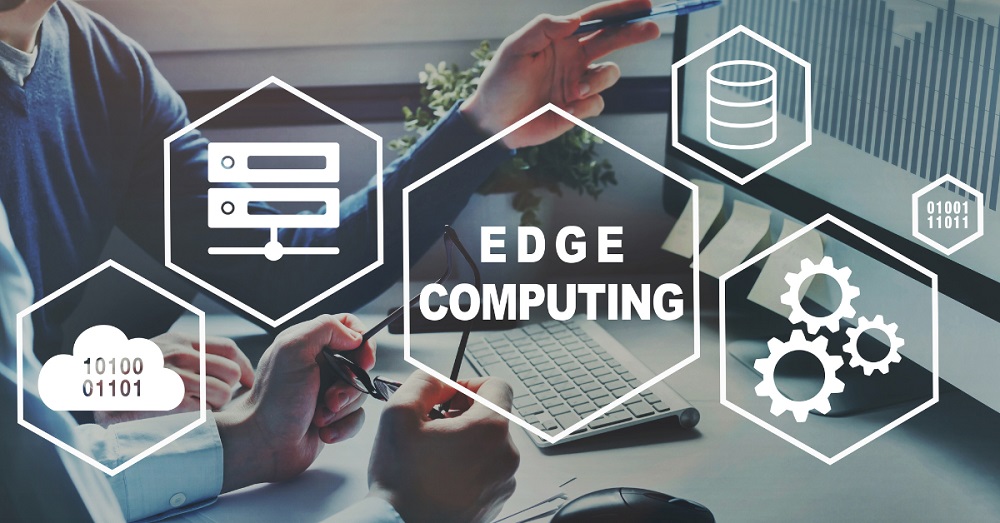
Edge computing has moved from a niche architectural concept to a foundational pillar of modern digital infrastructure. As organizations demand real-time processing, reduced latency, and stronger data governance, computing resources are shifting closer to where data is created. This evolution is redefining how industries build applications, manage networks, and deliver services at scale.
What Is Edge Computing?
At its core, edge computing refers to processing data near its source rather than relying solely on centralized cloud data centers. Instead of sending every data packet to distant servers, edge systems analyze and act on information locally—whether that’s inside a factory, a retail store, a vehicle, or a telecom tower.
This distributed model addresses key limitations of traditional cloud computing, particularly:
-
High latency caused by geographic distance
-
Bandwidth constraints from transmitting massive data volumes
-
Data privacy concerns tied to centralized storage
-
Operational delays in mission-critical environments
Edge computing does not replace the cloud; rather, it complements it by creating a hybrid, distributed ecosystem.
Key Drivers Behind the Growth
1. Explosion of IoT Devices
Billions of connected devices—from sensors and wearables to industrial machinery—generate enormous streams of data. Sending all this information to centralized servers is inefficient and costly. Processing at the edge allows organizations to filter and act on relevant insights instantly.
2. Demand for Real-Time Applications
Applications such as autonomous vehicles, augmented reality, and remote healthcare cannot tolerate latency. Even a delay of milliseconds can disrupt operations. Edge infrastructure enables:
-
Immediate decision-making
-
Faster automation responses
-
Improved user experiences
3. 5G Network Expansion
The global rollout of 5G networks accelerates edge adoption. High-speed connectivity combined with distributed compute nodes creates a powerful environment for ultra-low-latency services and mobile applications.
4. Data Sovereignty and Compliance
Governments and regulatory bodies increasingly require sensitive data to remain within specific jurisdictions. Localized processing helps businesses meet compliance standards without sacrificing performance.
Industry Applications
Manufacturing and Industry 4.0
Factories use edge systems to analyze machine data in real time. Predictive maintenance, robotics coordination, and quality assurance rely on rapid data processing at the production floor.
Benefits include:
-
Reduced downtime
-
Lower maintenance costs
-
Enhanced operational safety
Healthcare
Medical devices and remote monitoring systems generate critical patient data. Edge computing supports instant alerts and diagnostics without depending on constant cloud connectivity.
Retail
Smart shelves, customer behavior tracking, and automated checkout systems depend on real-time analytics. Edge solutions minimize latency and enhance in-store experiences.
Smart Cities
Traffic management systems, surveillance networks, and energy grids process enormous volumes of sensor data. Distributed edge nodes enable cities to operate more efficiently and respond quickly to changing conditions.
Architectural Evolution
Modern edge computing architectures typically include:
-
Edge devices (sensors, cameras, IoT endpoints)
-
Edge gateways for filtering and aggregation
-
Local micro data centers
-
Cloud integration layers for long-term storage and analytics
This layered approach ensures that only critical data is processed locally while less time-sensitive information flows to centralized platforms.
Business Benefits
Organizations adopting edge computing report measurable advantages:
-
Reduced latency: Faster application performance
-
Lower bandwidth costs: Less data transmitted to the cloud
-
Improved resilience: Local operations continue even if connectivity drops
-
Enhanced security: Sensitive data can remain on-site
Edge deployments also support sustainability goals by optimizing energy usage and reducing unnecessary data transport.
Challenges Slowing Adoption
Despite rapid growth, edge computing introduces complexities:
Infrastructure Management
Deploying thousands of distributed nodes requires robust orchestration tools and monitoring systems.
Security Risks
A larger attack surface increases cybersecurity concerns. Each edge node must be protected and regularly updated.
Standardization Gaps
The ecosystem remains fragmented, with multiple hardware vendors and software platforms lacking universal standards.
Addressing these issues requires coordinated efforts between technology providers, telecom operators, and enterprises.
The Future of Edge Computing
Edge computing is expected to become a default design principle for digital systems rather than a specialized solution. Emerging trends include:
-
AI at the edge: Running machine learning models locally for instant insights
-
Autonomous infrastructure: Self-healing networks and predictive management
-
Edge-native application development: Software built specifically for distributed environments
As digital transformation deepens across industries, edge computing will serve as a critical enabler of faster, smarter, and more resilient systems.
Frequently Asked Questions (FAQ)
1. How is edge computing different from fog computing?
Fog computing extends cloud capabilities closer to the network layer, while edge computing processes data directly at or near the data source. Fog often acts as an intermediary layer between edge devices and centralized clouds.
2. Is edge computing only useful for large enterprises?
No. Small and medium-sized businesses can benefit from edge solutions, particularly if they rely on IoT systems, local analytics, or latency-sensitive applications.
3. Does edge computing eliminate the need for cloud services?
Not entirely. Edge computing works alongside cloud infrastructure. The cloud remains essential for long-term storage, large-scale analytics, and centralized coordination.
4. What role does artificial intelligence play in edge environments?
AI models can be deployed locally to analyze data in real time, enabling faster automation and reducing reliance on remote servers.
5. Is edge computing secure?
It can be highly secure when properly configured. However, distributed architectures require strong encryption, endpoint protection, and centralized management to reduce risks.
6. What industries are investing the most in edge computing?
Manufacturing, telecommunications, healthcare, retail, and transportation are leading adopters due to their need for real-time data processing.
7. How does edge computing improve system reliability?
By processing data locally, operations can continue even during network outages, ensuring continuity for mission-critical applications.

Comments are closed.