

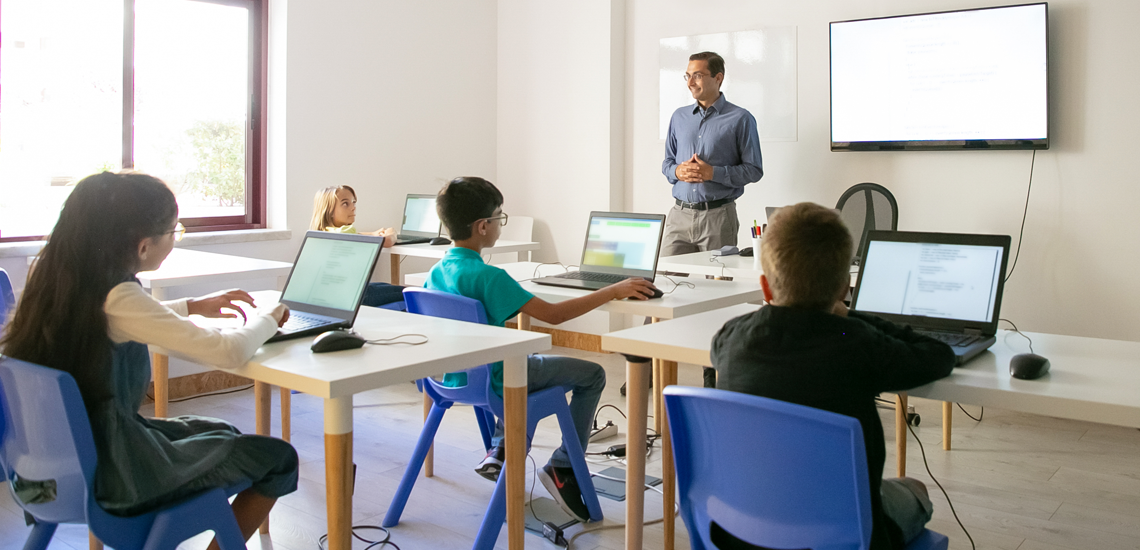
Education has always evolved alongside society, but the pace of change today is unprecedented. Technology, shifting workforce demands, and new learning philosophies are redefining how knowledge is delivered and absorbed. Modern education is no longer confined to classrooms or textbooks—it is dynamic, personalized, and increasingly learner-centered.
Understanding Modern Education
At its core, education is the process of developing knowledge, skills, values, and critical thinking. In today’s world, this process extends beyond formal schooling and continues throughout life.
Key Characteristics of Modern Education
-
Learner-centric approaches that adapt to individual needs
-
Integration of technology-enhanced learning tools
-
Emphasis on practical skills and real-world application
-
Focus on critical thinking and problem-solving
The Role of Technology in Education
Technology has become a powerful enabler, transforming both teaching methods and learning experiences.
Digital Tools Shaping Learning
-
Online learning platforms that offer flexibility and accessibility
-
Artificial intelligence for personalized learning paths
-
Virtual and augmented reality for immersive experiences
-
Cloud-based collaboration tools for teamwork and communication
These tools allow students to learn at their own pace while giving educators better insights into progress and performance.
Benefits of a Modern Education System
A well-designed education system equips learners for both personal growth and professional success.
Major Advantages
-
Accessibility: Learning resources are available anytime, anywhere
-
Inclusivity: Adaptive tools support diverse learning needs
-
Skill readiness: Focus on digital literacy and soft skills
-
Global exposure: Students connect with ideas and cultures worldwide
Challenges Facing Education Today
Despite progress, education systems face several obstacles that require thoughtful solutions.
Common Challenges
-
Digital divide limiting access to technology
-
Teacher training gaps in using modern tools
-
Curriculum rigidity that struggles to keep pace with change
-
Assessment methods that prioritize memorization over understanding
Addressing these issues is essential to ensure equitable and effective learning.
The Importance of Lifelong Learning
Education no longer ends with graduation. Rapid changes in industries mean individuals must continually update their skills.
Why Lifelong Learning Matters
-
Keeps professionals relevant in evolving job markets
-
Encourages personal development and adaptability
-
Supports career transitions and upskilling
Lifelong learning fosters resilience and curiosity, traits essential in a knowledge-driven economy.
The Future of Education
The future points toward a more flexible and personalized model of learning. Blended classrooms, competency-based assessments, and global collaboration will likely become standard.
Emerging Trends to Watch
-
Personalized learning pathways powered by data
-
Micro-credentials and skill-based certifications
-
Hybrid education models combining online and in-person learning
-
Greater emphasis on creativity and emotional intelligence
Education will continue to evolve, but its mission remains constant: empowering individuals to reach their full potential.
Frequently Asked Questions (FAQs)
1. How is education different today compared to the past?
Modern education emphasizes personalization, technology integration, and practical skills rather than rote memorization.
2. Why is technology important in education?
Technology enhances accessibility, engagement, and personalized learning while preparing students for digital workplaces.
3. What skills does modern education focus on?
Critical thinking, communication, creativity, collaboration, and digital literacy are key priorities.
4. How can education systems reduce the digital divide?
By investing in infrastructure, affordable devices, and digital literacy programs for underserved communities.
5. What is lifelong learning in education?
It refers to the continuous pursuit of knowledge and skills throughout one’s life, beyond formal schooling.
6. Can online education replace traditional classrooms?
Online education complements traditional learning but works best when combined with in-person interaction.
7. How will education evolve in the next decade?
Education is expected to become more flexible, skill-focused, and technology-driven, with greater global collaboration.

Comments are closed.