

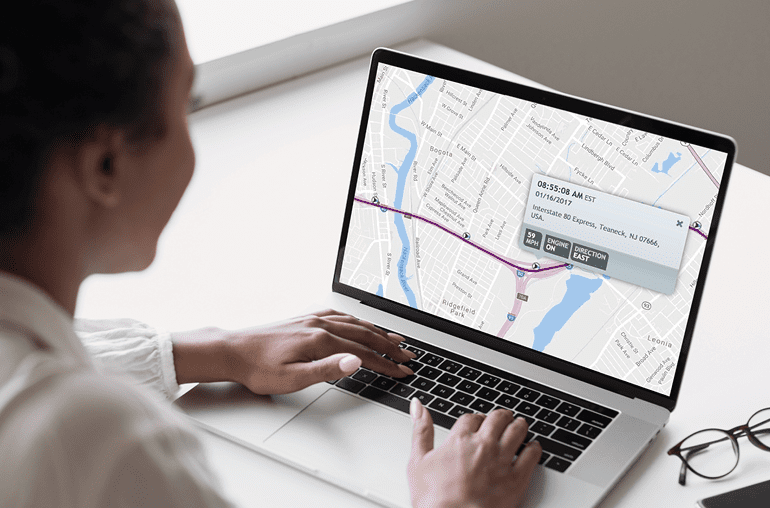
Modern fleet operations face constant pressure to cut costs, improve safety, and deliver on time. Telematics has emerged as a practical solution that helps fleet managers gain real-time visibility, automate reporting, and make data-driven decisions.
By combining GPS tracking, vehicle diagnostics, and wireless communication, telematics transforms raw vehicle data into actionable insights that directly improve operational efficiency.
What Is Telematics in Fleet Management?
Telematics refers to the integration of telecommunications and informatics to monitor vehicles remotely. In fleet operations, it typically involves:
-
GPS tracking systems
-
Onboard diagnostic (OBD) devices
-
Engine performance sensors
-
Driver behavior monitoring
-
Cloud-based fleet management software
This connected ecosystem allows managers to track vehicles, analyze performance metrics, and optimize daily operations without being physically present.
Real-Time Vehicle Tracking and Route Optimization
One of the most immediate benefits of telematics is live vehicle tracking. Managers can monitor vehicle locations, speeds, and route history at any moment.
Key Advantages
-
Reduced fuel consumption through optimized routing
-
Faster response to delays or traffic congestion
-
Accurate estimated time of arrival (ETA) updates
-
Improved dispatch coordination
Route optimization tools analyze traffic conditions, road closures, and historical data to suggest the most efficient paths. Over time, this leads to measurable fuel savings and fewer unnecessary miles driven.
Improved Driver Safety and Behavior Monitoring
Driver behavior significantly impacts both operational costs and safety risks. Telematics systems monitor driving patterns such as:
-
Harsh braking
-
Rapid acceleration
-
Speeding
-
Excessive idling
-
Seatbelt usage
Fleet managers can use this data to identify risky driving habits and provide targeted training. Many organizations report a noticeable drop in accident rates after implementing telematics-based safety programs.
Safer driving also reduces insurance premiums and vehicle repair expenses, improving overall profitability.
Fuel Efficiency and Cost Reduction
Fuel is often one of the largest operating expenses for fleet-based businesses. Telematics helps control these costs through:
-
Monitoring fuel consumption patterns
-
Detecting fuel theft
-
Identifying excessive idling
-
Encouraging fuel-efficient driving habits
Detailed fuel reports allow managers to compare performance across vehicles and drivers. Small behavioral improvements, when scaled across an entire fleet, can result in substantial annual savings.
Preventive Maintenance and Reduced Downtime
Unexpected vehicle breakdowns disrupt schedules and increase repair costs. Telematics systems integrate with onboard diagnostics to monitor engine health and vehicle performance indicators.
Maintenance Benefits
-
Automated service reminders
-
Real-time fault code alerts
-
Tracking of mileage and engine hours
-
Maintenance history records
With predictive maintenance scheduling, fleets can address minor issues before they become major mechanical failures. This reduces downtime and extends vehicle lifespan.
Regulatory Compliance and Reporting
Fleet operations must comply with various transportation and safety regulations. Telematics simplifies compliance by automating data collection and reporting.
Examples include:
-
Electronic logging of driving hours
-
Vehicle inspection records
-
Emissions tracking
-
Proof of service documentation
Automated recordkeeping reduces administrative workload and minimizes the risk of penalties due to incomplete documentation.
Enhanced Asset Security
Vehicle theft and unauthorized use can significantly impact operations. Telematics improves security by enabling:
-
Real-time vehicle tracking
-
Geofencing alerts
-
Unauthorized movement notifications
-
Remote vehicle immobilization (in supported systems)
Geofencing allows managers to define approved operational zones and receive alerts if a vehicle enters or leaves designated areas.
Data-Driven Decision Making
Telematics turns large volumes of operational data into structured reports and dashboards. These insights support strategic decisions such as:
-
Fleet size optimization
-
Vehicle replacement planning
-
Driver performance evaluation
-
Cost-per-mile analysis
Instead of relying on guesswork, managers can use concrete metrics to identify inefficiencies and implement targeted improvements.
Environmental Impact and Sustainability
Reducing fuel consumption and optimizing routes not only lowers costs but also decreases carbon emissions. Many companies use telematics data to:
-
Track carbon footprint
-
Support sustainability initiatives
-
Report environmental performance metrics
By promoting eco-friendly driving habits and reducing idle time, fleets can contribute to broader environmental goals.
Scalability for Growing Operations
Telematics platforms are highly scalable. Whether managing five vehicles or five hundred, cloud-based systems allow businesses to:
-
Add new vehicles easily
-
Monitor multiple locations
-
Integrate with payroll or accounting software
-
Generate customized performance reports
As operations expand, telematics ensures continued visibility and operational control.
Frequently Asked Questions (FAQs)
1. How long does it take to implement a telematics system?
Implementation time varies depending on fleet size and system complexity. Small fleets may complete installation within a few days, while larger fleets may require phased deployment over several weeks.
2. Is telematics suitable for small businesses?
Yes. Many providers offer scalable solutions designed specifically for small and mid-sized fleets. Even a handful of vehicles can benefit from improved tracking and fuel monitoring.
3. Does telematics invade driver privacy?
Telematics focuses on vehicle performance and driving behavior during working hours. Clear communication and transparent policies help ensure employee trust and compliance with privacy regulations.
4. Can telematics integrate with existing fleet software?
Most modern telematics platforms support API integrations, allowing seamless connection with dispatch, accounting, payroll, and maintenance systems.
5. What types of vehicles can use telematics?
Telematics systems can be installed in cars, vans, trucks, buses, construction equipment, and even specialized machinery, depending on the hardware configuration.
6. How does telematics improve customer satisfaction?
By providing accurate delivery times, faster dispatching, and fewer service disruptions, telematics helps businesses deliver more reliable service to customers.
7. What is the return on investment (ROI) for telematics?
ROI depends on fleet size and operational efficiency. However, businesses often see measurable savings from reduced fuel costs, lower accident rates, decreased downtime, and improved asset utilization within the first year of implementation.

Comments are closed.